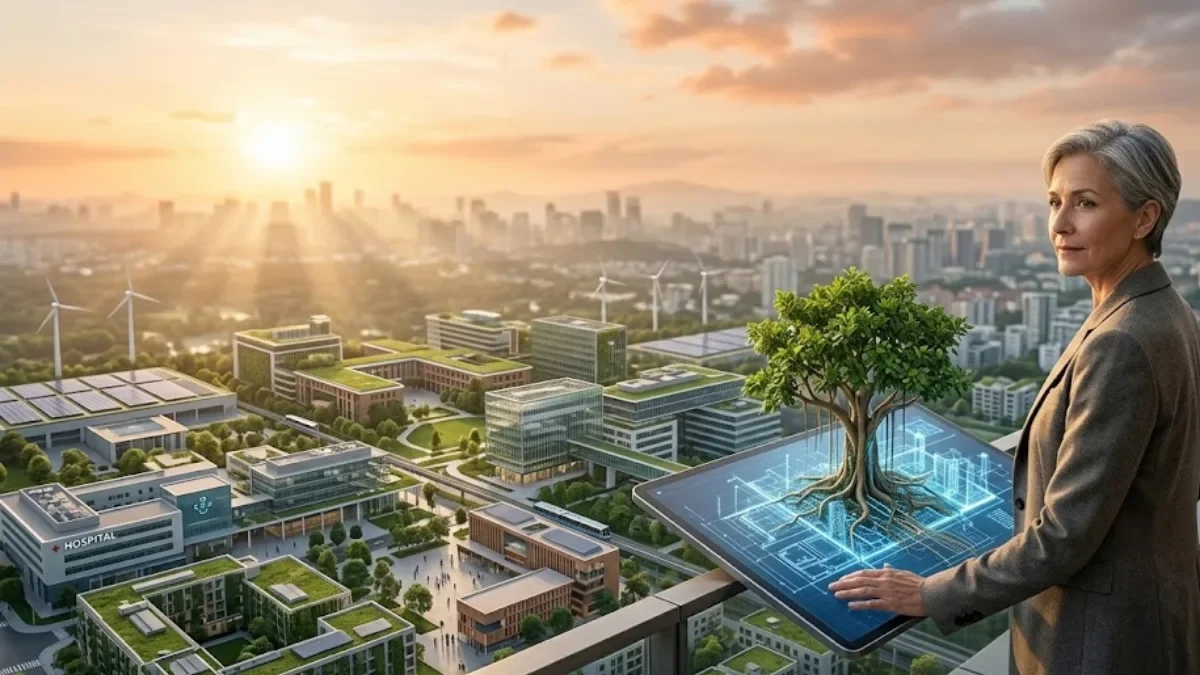
For generations, the word legacy was closely associated with philanthropy. Wealthy individuals and organizations often built schools, hospitals, libraries, or charitable foundations that continued serving society long after they were gone. These contributions remain valuable, but the meaning of legacy has expanded significantly in today's world.
In the 21st century, lasting influence is increasingly measured not only by money donated but also by ideas created, systems improved, communities empowered, and sustainable solutions developed. Technology, education, environmental responsibility, and ethical leadership have become central pillars of what many experts now describe as a modern legacy.
This shift reflects changing social expectations. Governments, businesses, entrepreneurs, researchers, and ordinary citizens are now expected to contribute to long-term progress in ways that extend beyond financial generosity. A meaningful legacy is increasingly built through actions that continue creating value for future generations.
Understanding this evolution helps explain why innovation, sustainability, knowledge sharing, and responsible leadership are becoming as important as charitable giving in shaping the future.
Quick Facts
Aspect | Details |
Topic | Modern Legacy Beyond Philanthropy |
Primary Focus | Long-term societal impact |
Traditional Approach | Charitable donations and foundations |
Modern Approach | Innovation, sustainability, education, ethical leadership, technology |
Key Stakeholders | Governments, businesses, entrepreneurs, educators, researchers, citizens |
Main Goal | Creating sustainable positive change for future generations |
Global Relevance | High across business, society, education, and governance |
What Is Modern Legacy?
A legacy refers to the lasting impact that a person, organization, or institution leaves behind.
Historically, this often meant donating wealth to charitable causes. Today, legacy includes creating systems, institutions, technologies, and opportunities that continue benefiting society over many years.
Modern legacy focuses on questions such as:
Does the work improve people's lives?
Can future generations benefit from it?
Does it create opportunities for others?
Is it environmentally and socially sustainable?
These broader questions have transformed how leaders define success.
How Legacy Has Evolved
Traditional Legacy
For decades, philanthropy was considered the highest expression of social responsibility.
Common examples included:
Funding hospitals
Building schools
Supporting universities
Donating to disaster relief
Creating charitable trusts
Financing museums and cultural institutions
These efforts continue to play an essential role in society.
The Shift Toward Long-Term Impact
Today's world presents challenges that cannot always be solved through donations alone.
Issues such as:
Climate change
Digital transformation
Healthcare innovation
Artificial intelligence
Education access
Cybersecurity
Economic inequality
require continuous innovation rather than one-time financial support.
As a result, many organizations now focus on creating systems that solve problems sustainably.
The Pillars of Modern Legacy
1. Innovation
Innovation creates solutions that can improve millions of lives.
Examples include:
Medical technologies
Clean energy solutions
Digital education platforms
Artificial intelligence tools
Advanced agricultural systems
An innovative idea can continue delivering value for decades.
2. Education
Knowledge has one of the highest long-term returns.
Supporting education may include:
Teacher training
Scholarships
Open educational resources
Research institutions
Digital learning platforms
Skill development programs
Rather than simply providing aid, education enables individuals to build better futures independently.
3. Sustainability
Environmental responsibility has become a defining feature of modern leadership.
Organizations increasingly invest in:
Renewable energy
Waste reduction
Water conservation
Circular economy practices
Sustainable supply chains
Carbon reduction initiatives
These efforts help protect natural resources for future generations.
4. Ethical Leadership
Leadership today is judged not only by financial success but also by responsible decision-making.
Important qualities include:
Transparency
Accountability
Fair governance
Inclusion
Respect for human rights
Responsible business practices
Ethical leadership builds long-term public trust.
5. Technology for Public Good
Technology has become one of the strongest drivers of modern legacy.
It can improve:
Healthcare access
Financial inclusion
Public services
Education
Scientific research
Disaster response
Responsible innovation ensures technology benefits society while minimizing risks.
Why Philanthropy Alone Is No Longer Enough
Philanthropy addresses immediate needs, but many modern challenges require systemic change.
For example:
Challenge | Donation Alone | Long-Term Solution |
Education | Build a school | Improve teaching quality and digital learning |
Healthcare | Donate equipment | Strengthen healthcare systems |
Climate | Fund tree planting | Reduce emissions through sustainable technologies |
Employment | Financial aid | Skill development and entrepreneurship |
This demonstrates why modern legacy increasingly combines generosity with innovation.
The Role of Businesses
Businesses now play a much larger role in shaping society.
Many companies integrate social responsibility into their long-term strategies through:
Employee development
Sustainable manufacturing
Ethical sourcing
Community investment
Research and development
Environmental commitments
Rather than separating profit from purpose, many organizations seek to balance both.
The Importance of Institutions
Strong institutions often outlast individuals.
Universities, research centers, public health systems, and scientific organizations continue creating value long after their founders are gone.
Building resilient institutions may therefore create a larger long-term impact than isolated charitable projects.
Economic Impact
A modern legacy can strengthen economies by encouraging:
Innovation
Entrepreneurship
Skilled workforces
Research investment
Productivity improvements
Sustainable industries
Long-term investments often generate benefits that extend well beyond immediate financial returns.
Social Impact
Modern legacy influences society through:
Better education
Improved healthcare
Equal opportunities
Community empowerment
Social inclusion
Digital access
When individuals gain knowledge and opportunities, communities become more resilient.
Environmental Impact
Sustainability has become an essential component of responsible leadership.
Positive environmental actions include:
Protecting biodiversity
Conserving water
Reducing pollution
Supporting renewable energy
Improving energy efficiency
These efforts help ensure that development does not compromise future generations.
Challenges in Building a Modern Legacy
Despite its benefits, creating lasting impact is not simple.
Some major challenges include:
Measuring long-term outcomes
Balancing short-term profits with future goals
Maintaining transparency
Securing continuous funding
Adapting to technological change
Addressing global inequalities
Success often requires patience, collaboration, and long-term planning.