The Indian political landscape is steadily shifting its attention toward a critical electoral calendar. Following a series of regional contests, political parties and election authorities are gearing up for the major state assembly elections scheduled across several key states. These upcoming polls are widely viewed as a major barometer of public sentiment and a crucial precursor to national political trends.
Which States Are Heading to the Polls?
As per the constitutional five-year term completions, seven major states are scheduled to conduct their legislative assembly elections. The prominent states on the radar include Uttar Pradesh, Punjab, Uttarakhand, Goa, Manipur, Gujarat, and Himachal Pradesh.
Among these, Uttar Pradesh stands out as the most politically sensitive and largest battleground, boasting 403 assembly constituencies. Meanwhile, states like Punjab and Uttarakhand are witnessing intense early ground preparations by regional and national factions alike.
Key Political Players and Opponents
The electoral arena features a multi-cornered contest involving major national and regional formations:
The Ruling Coalition: Led nationally by the Bharatiya Janata Party (BJP) and its regional allies, the incumbent administration is banking heavily on infrastructure development, welfare delivery, and governance continuity.
The National Opposition: The Indian National Congress (INC) and its alliance partners are positioning themselves as the primary challengers, focusing on local grievances, economic pressures, and regional autonomy.
Regional Alternatives: Parties such as the Aam Aadmi Party (AAP) and other state-specific entities continue to shape local dynamics, particularly in states like Punjab where they hold incumbent responsibilities.
Why These Elections Matter
State elections in India carry immense weight beyond local governance. For ordinary citizens, these outcomes directly influence state-level policies concerning education, healthcare, employment, and local infrastructure. Economically, major state polls often dictate the pace of regional investments and policy implementations.
Furthermore, political analysts closely monitor these results because they reflect the shifting dynamics between ruling national parties and a consolidated opposition. They serve as a crucial testing ground for grassroots party organization, alliance-building, and voter mobilization strategies ahead of future national cycles.
What Lies Ahead
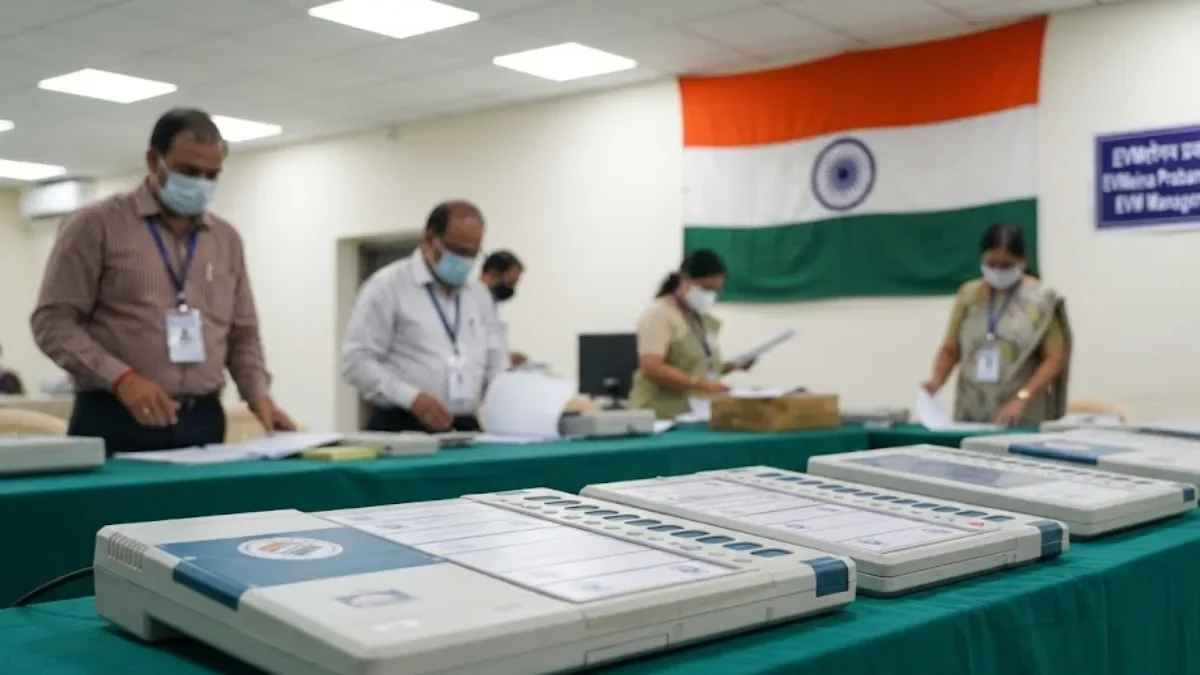
Administrative bodies, including the Election Commission, have already initiated preliminary administrative reviews, security assessments, and logistical planning, such as checking electronic voting machine (EVM) availability and police deployment needs. As campaigns officially heat up in the coming months, political alignments, manifestos, and key local issues will take center stage, defining the political narrative for millions of voters.