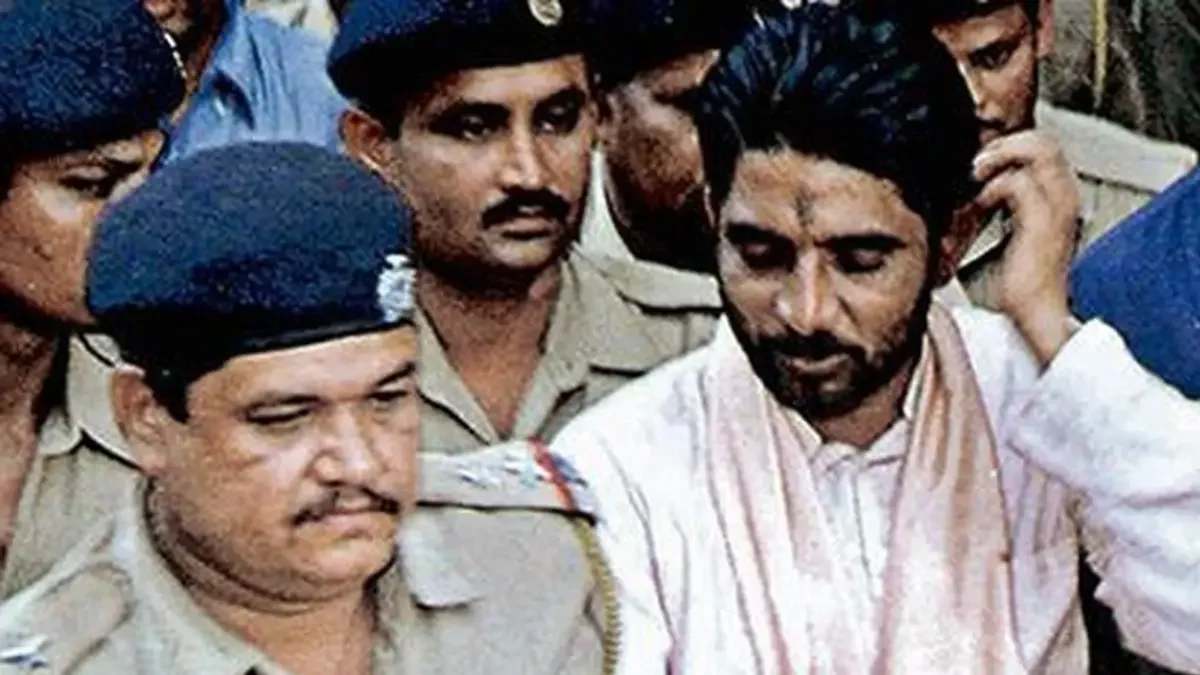
The Odisha State Sentence Review Board (SSRB) has officially rejected the premature release plea of Rabindra Kumar Pal, widely known as Dara Singh. Singh is currently serving a life sentence for the brutal 1999 murder of Australian missionary Graham Staines and his two minor sons. The board's decision came during a special meeting following mounting legal pressures and directives from the Supreme Court of India, which had asked the state government to take a definitive stance on his long-pending remission application.
Background of the Case
The tragic incident dates back to January 1999 in Odisha’s Keonjhar district, where Graham Staines, 58, and his sons Philip (10) and Timothy (7) were burnt to death while sleeping inside their station wagon. The heinous crime sent shockwaves across the globe, drawing severe international condemnation regarding religious intolerance and safety of minorities. In 2003, a special Central Bureau of Investigation (CBI) court sentenced Dara Singh to death. Later, in 2005, the Orissa High Court commuted his death penalty to life imprisonment, a ruling that was subsequently upheld by the Supreme Court. Singh has already spent over 26 years behind bars.
Why the Review Board Denied Remission
Under Odisha's 2022 remission guidelines, long-term prisoners who have completed 25 years of incarceration become eligible to apply for premature release. Although jail authorities and local administrative bodies initially presented mixed or conditional recommendations regarding his behavior, the Sentence Review Board strongly factored in potential law-and-order threats.
Officials noted a recent incident on August 15, where a group of individuals associated with the 'Dara Sena' gathered outside the Keonjhar District Jail and raised provocative slogans. The board concluded that releasing Singh at this stage could trigger societal unrest and disrupt communal harmony. Consequently, his remission plea—which had faced rejections on five prior occasions between 2016 and 2023—was turned down once more.
Legal Ramifications and Next Steps
The decision arrives directly ahead of scheduled hearings in the Supreme Court, which had previously criticized authorities for delaying a final decision. With the state government officially filing its rejection report, the legal debate will now shift back to the apex court to evaluate whether the state's reasoning complies with established constitutional and statutory remission frameworks. Legal experts note that while prison conduct is a major factor in remission, maintenance of public peace and state security remains a paramount priority for review boards.
Frequently Asked Questions (FAQ):
Why was Dara Singh's premature release rejected?
The Odisha State Sentence Review Board rejected his plea primarily over concerns that his release could jeopardize communal harmony and trigger public disturbances.
How long has Dara Singh been in prison?
Dara Singh has served over 26 years in prison following his conviction in connection with the 1999 Graham Staines murder case.
What were the guidelines used to consider his plea?
His case was evaluated under the Odisha government's 2022 remission guidelines, which allow life convicts who have completed 25 years of imprisonment to seek premature release consideration.
What is the broader legal context of the case?
After a CBI court sentenced him to death in 2003, the Orissa High Court commuted the sentence to life imprisonment in 2005, a verdict that the Supreme Court later upheld.