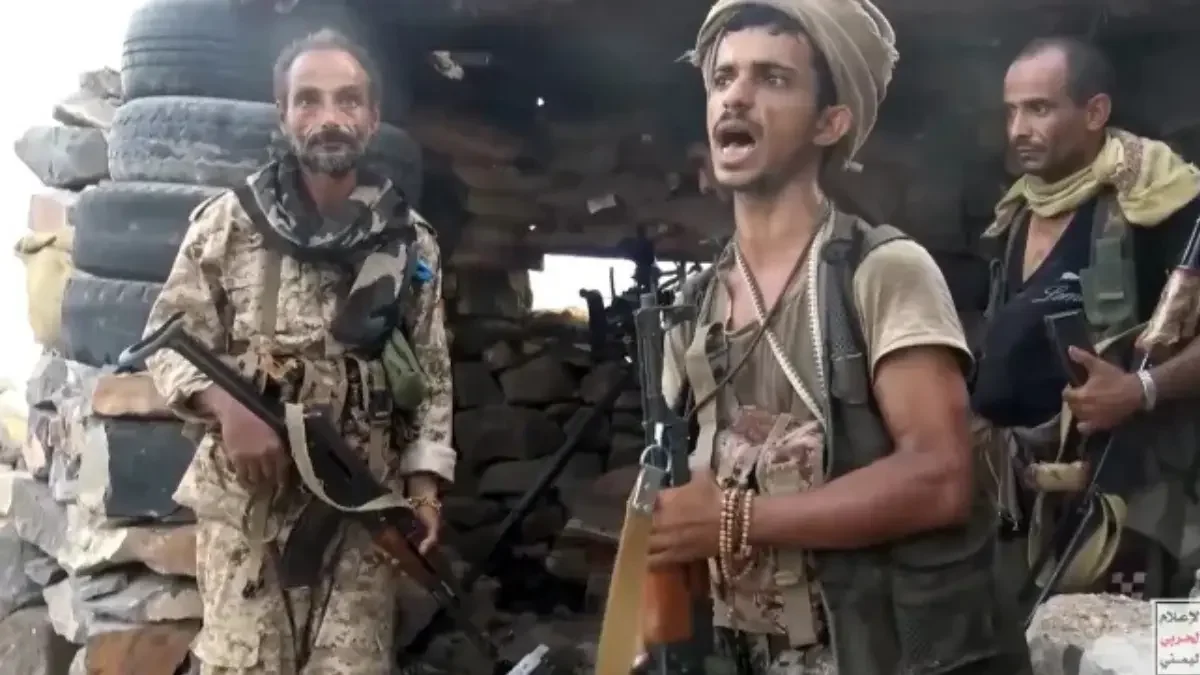
The security landscape in the Middle East has faced a sharp escalation following a combination of intense internal fighting in Yemen and a dangerous maritime strike near the vital Strait of Hormuz. International monitors and regional authorities report that escalating clashes have displaced roughly 125,000 individuals as Houthi movements encounter heavy counter-offensives. Concurrently, regional maritime defenses have been tested following a targeted strike on an oil tanker, underscoring the severe vulnerabilities facing global energy supply lines and civilian populations alike.
What Happened in Yemen and the Strait of Hormuz?
Recent reports highlight a two-pronged crisis unfolding across the region. In Yemen, rapid territorial shifts have led to intensive aerial engagements, with officials from the internationally recognized government accusing the Houthi militia of widespread civilian displacement and casualties. According to regional coalitions, airstrikes and localized fire have forced approximately 125,000 people to flee their homes, compounding an already severe humanitarian emergency.
Simultaneously, maritime security operations were triggered in the strategic waters near the Strait of Hormuz. Oman's navy successfully intervened following an attack on a commercial oil tanker transiting the vital passage. Out of the crew members on board, 23 seamen were safely rescued, while ongoing search and rescue efforts continue for two missing crew members. These incidents illustrate how localized military escalations can quickly spill over into critical international commercial pathways.
Why This Matters for Global Trade and Energy
The Strait of Hormuz serves as one of the world's most critical maritime chokepoints, handling a significant portion of global petroleum traffic. Any disruption or security threat in this corridor instantly reverberates through international energy markets, driving up shipping insurance costs and threatening fuel stability worldwide. For ordinary citizens, particularly in import-dependent economies like India, persistent disruptions translate directly to potential volatility in energy prices, inflation pressures, and heightened logistics risks for international trade.
Furthermore, the humanitarian crisis in Yemen underscores the deep human cost of prolonged instability. The displacement of over 125,000 people strains local infrastructure, increases the demand for international aid, and dims prospects for a lasting political resolution in the war-torn nation.
Looking Ahead: What to Expect Next
As diplomatic channels work to de-escalate tensions, international observers are closely monitoring whether maritime security measures in the Gulf will be reinforced. Naval coalitions and regional states are expected to increase surveillance patrols to secure commercial shipping lanes against future strikes. Meanwhile, humanitarian agencies are scrambling to provide adequate shelter and food supplies for the massive influx of displaced civilians inside Yemen. The coming weeks will be critical in determining whether international pressure can curb the military escalation or if further disruptions will test global supply chains.
Frequently Asked Questions (FAQ)
What triggered the recent maritime rescue operation?
Oman's navy launched a rescue operation after an oil tanker was struck while navigating through the Strait of Hormuz, resulting in the successful rescue of 23 crew members and a continuing search for two missing personnel.
How many people have been displaced by the fighting in Yemen?
Intensified clashes and aerial engagements have forced approximately 125,000 people to flee their homes amid rapid Houthi advances and retaliatory military actions.
also read : US Midterm Elections 2026: Officials Prepare as Voting Rules Face Pressure