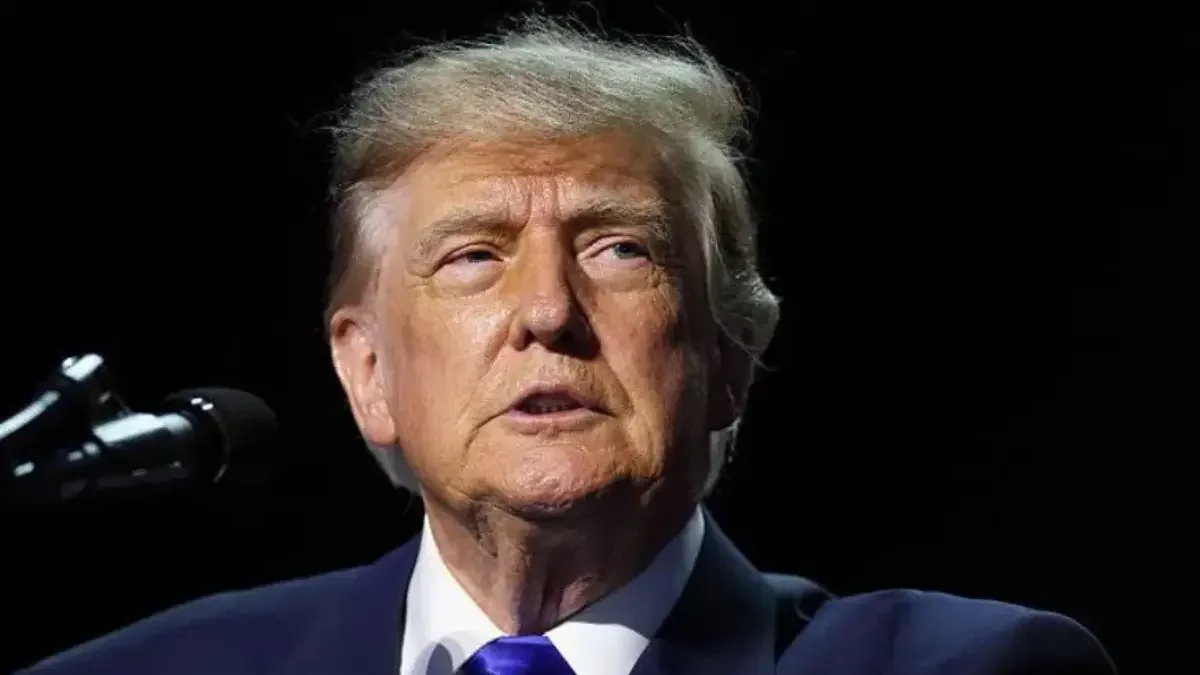
In a significant legal setback for the White House, the United States Supreme Court has rejected President Donald Trump's controversial plan to restrict voting by mail ahead of the midterm elections. The justices voted to uphold a lower federal judge's order that temporarily blocked the U.S. Postal Service (USPS) from moving forward with sweeping new requirements for handling postal ballots.
Background and the White House Proposal
The legal battle stems from an executive order signed by President Trump in March, which directed the USPS to deliver mail-in ballots exclusively to voters explicitly listed on official citizen rosters. Proponents of the policy, including the administration, argued that these stringent regulations were necessary to combat potential electoral fraud and secure the integrity of the voting system. However, the directive triggered immediate nationwide pushback and multiple urgent legal challenges.
Legal Challenges and Arguments
Critics and election officials from 24 Democratic-led states, alongside the District of Columbia, filed lawsuits warning that the proposed changes were rushed, operationally unready for implementation, and posed a severe risk of disenfranchising eligible citizens. Legal groups pointed out that sudden alterations to postal handling right before a major election cycle would sow widespread confusion. One prominent legal advocacy group praised the court's intervention, stating that the decision successfully prevents the USPS from "sowing chaos in our elections."
What the Ruling Means and Future Outlook
While the current decision keeps existing mail-in voting procedures intact, it is unlikely to mark the final word on the matter. Justice Brett Kavanaugh concurred with the ruling to maintain the block for now, but indicated he might eventually lean in favor of the administration as broader litigation continues through lower courts. Meanwhile, the White House has withheld immediate formal comment on the Supreme Court's action. Legal experts anticipate further courtroom battles as the country moves closer to the general midterm elections.
Frequently Asked Questions (FAQ)
What did the U.S. Supreme Court decide regarding mail-in ballots?
The Supreme Court upheld a lower court's temporary block, preventing the U.S. Postal Service from implementing new restrictions on mail-in ballots ordered by the White House.
Why did the administration want to restrict mail-in voting?
President Trump argued that the proposed rules were essential to combat electoral fraud and ensure that only verified citizens on official lists could cast postal votes.
also read : US Midterm Elections 2026: Officials Prepare as Voting Rules Face Pressure