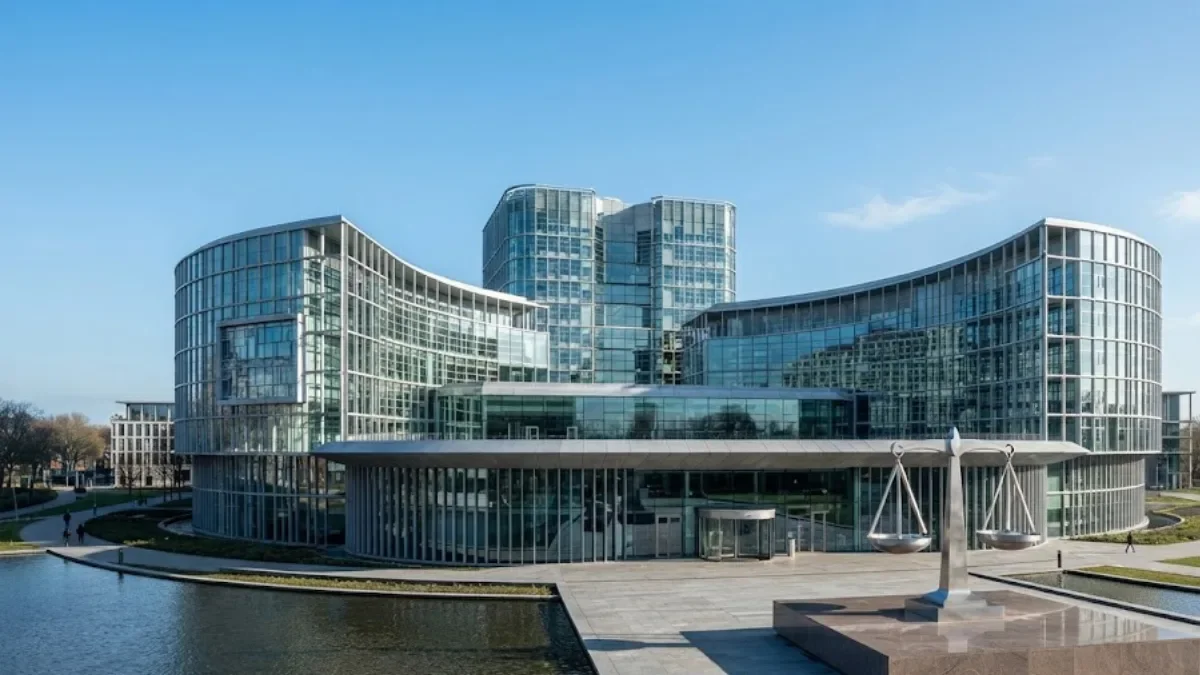
The International Criminal Court (ICC) stands as the world's first permanent international tribunal established to prosecute individuals for the most severe global crimes. Based in The Hague, Netherlands, the court operates under a founding treaty known as the Rome Statute. Amid ongoing global debates, geopolitical tension, and major institutional pressures, understanding how the ICC functions, what powers it holds, and the legal grounds governing its jurisdiction remains vital for anyone following global affairs.
What is the International Criminal Court and Core Crimes
Established on July 1, 2002, the ICC is an independent judicial body designed to hold individual perpetrators accountable rather than punishing entire states. Unlike domestic courts that handle local crimes, the ICC's mandate is restricted under Article 5 of the Rome Statute to four primary categories of international concern:
Genocide: Intentional acts aimed at destroying a national, ethnic, racial, or religious group.
Crimes Against Humanity: Widespread or systematic attacks directed against any civilian population.
War Crimes: Grave breaches of the Geneva Conventions and serious violations of international humanitarian law during armed conflicts.
Crime of Aggression: The planning, preparation, or execution of an illegal use of armed force by a state against another sovereign state's territorial integrity.
On What Grounds Does ICC Jurisdiction Apply?
A common point of confusion is assuming the ICC possesses universal authority to arrest or try anyone anywhere in the world. In reality, the court's jurisdiction is strictly regulated and limited. The ICC can only exercise its powers under specific conditions:
Territorial or National Basis: The alleged crime must have been committed on the territory of a state party that has signed and ratified the Rome Statute, or the accused person must be a national of a member state.
UN Security Council Referral: The United Nations Security Council can refer a situation involving crimes within the court's mandate to the ICC prosecutor, even if the involved country has not ratified the Rome Statute (such as situations in non-member nations).
Ad Hoc Declarations: A non-member state can explicitly lodge a declaration accepting the ad hoc jurisdiction of the ICC for a specific conflict or timeframe on its territory.
Without one of these legal gateways, the ICC generally lacks the legal authority to intervene. Major global powers—including the United States, China, and Russia—are not parties to the Rome Statute, creating complex diplomatic friction when the court attempts to investigate incidents involving their citizens or allies.
Powers, Limitations, and Enforcement Challenges
The ICC possesses the power to issue arrest warrants, conduct judicial trials, and sentence individuals convicted of core crimes to prison terms. However, the court faces structural limitations. Because it operates as an international tribunal without its own police force or military capability, the ICC relies entirely on member states to execute arrest warrants, share evidence, and hand over suspects. When states refuse cooperation, or when political tensions rise—such as recent diplomatic friction and withdrawal announcements by certain nations—enforcing accountability becomes exceptionally difficult.
As global conflicts persist, the ICC continues to walk a fine line between enforcing international justice and navigating the sovereignty of individual nations.