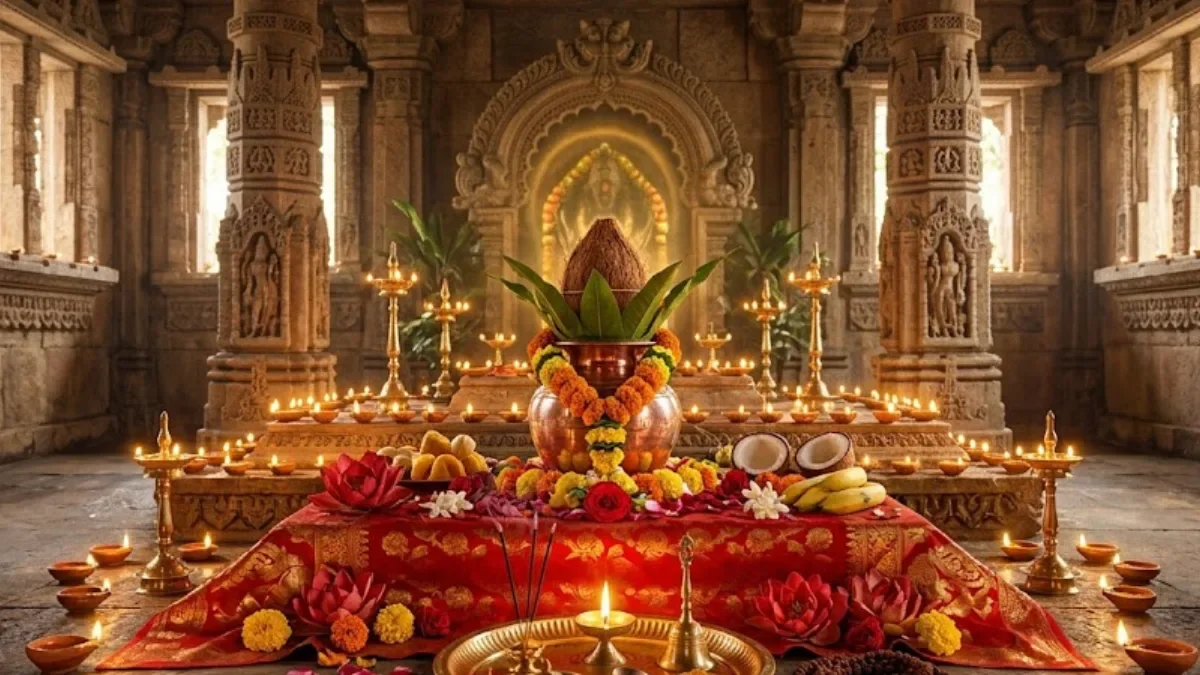
Ashadha Gupt Navratri is one of the most spiritually significant festivals in the Hindu calendar. Although it does not receive the same public attention as Chaitra Navratri and Sharad Navratri, it holds a special place among devotees, spiritual practitioners, and those following ancient Tantric traditions. During these nine sacred days, devotees worship the divine feminine energy represented by Goddess Durga and her various manifestations.
The word "Gupt" means hidden or secret. Unlike the grand public celebrations associated with other Navratris, Gupt Navratri is generally observed with personal prayers, meditation, fasting, mantra chanting, and private spiritual practices. Many people believe this period is especially suitable for deep spiritual discipline, self-improvement, and seeking divine protection.
For many seekers, Ashadha Gupt Navratri is not merely a festival but an opportunity for inner transformation. It encourages devotees to strengthen their spiritual practices, cultivate self-control, and develop a deeper connection with the Divine Mother.
Quick Facts
Particular | Details |
Festival | Ashadha Gupt Navratri |
Religion | Hinduism |
Duration | Nine Days |
Main Deity | Goddess Durga and her divine forms |
Primary Focus | Spiritual discipline, devotion, meditation, fasting |
Celebrated By | Devotees, spiritual seekers, householders, Tantric practitioners |
Importance | Worship of Shakti, self-purification, inner strength, divine blessings |
Nature of Celebration | Mostly personal and less public than Chaitra or Sharad Navratri |
What is Ashadha Gupt Navratri?
Ashadha Gupt Navratri is one of the four Navratris observed annually in Hindu tradition.
While Chaitra Navratri and Sharad Navratri are celebrated widely with community events, temple festivals, and cultural programs, Gupt Navratri is known for its quieter and more personal observance.
The festival is dedicated to Maa Durga, who symbolizes divine energy (Shakti) and the victory of righteousness over negativity. During these nine days, devotees focus on prayer, meditation, and spiritual discipline.
Why is it Called "Gupt" Navratri?
The Sanskrit word "Gupt" translates to hidden or secret.
The festival received this name because many of its traditional spiritual practices are performed privately rather than publicly. Historically, certain advanced spiritual disciplines and Tantric practices were undertaken discreetly under the guidance of experienced teachers.
For most devotees today, Gupt Navratri is a time to:
Strengthen devotion
Practice self-discipline
Perform daily prayers
Chant sacred mantras
Meditate regularly
Seek divine blessings for protection and wisdom
It is important to note that while Gupt Navratri has associations with Tantric traditions, authentic spiritual practices are traditionally carried out only under proper guidance and within established religious traditions.
Historical Background
The worship of the Divine Mother has existed in Hinduism for thousands of years. Ancient scriptures such as the Devi Mahatmya and other Shakta texts emphasize the power of the Goddess as the protector of the universe and destroyer of evil.
Over time, different forms of Navratri developed across regions of India. While some became major public festivals, Gupt Navratri remained primarily associated with personal worship and advanced spiritual practices.
Today, people from many backgrounds observe Gupt Navratri through simple devotion, regardless of whether they follow Tantric traditions.
Spiritual Significance
Ashadha Gupt Navratri emphasizes inner transformation rather than external celebration.
According to Hindu belief, sincere worship during these nine days can help devotees:
Develop stronger faith
Improve mental discipline
Remove negative thoughts
Increase inner confidence
Seek divine protection
Cultivate spiritual awareness
Strengthen meditation practice
Many devotees dedicate additional time to reading sacred texts, performing puja, and chanting mantras throughout the festival.
Worship of Goddess Durga
The central focus of Gupt Navratri is the worship of Goddess Durga, who represents divine strength, courage, wisdom, and compassion.
Many devotees also honor different manifestations of the Goddess, collectively known as Navdurga, during the nine days.
Common offerings include:
Fresh flowers
Fruits
Coconut
Incense
Oil lamps (Deepam)
Red cloth
Kumkum
Sacred water
These offerings symbolize devotion, purity, gratitude, and surrender to the Divine Mother.
Common Rituals During Ashadha Gupt Navratri
Devotees observe the festival in different ways depending on family traditions and regional customs.
Some common practices include:
Performing Ghatasthapana (Kalash Sthapana) at home
Daily worship of Goddess Durga
Chanting Durga mantras
Reading religious scriptures
Fasting according to personal capacity
Meditation and self-reflection
Visiting temples
Donating food and essentials to those in need
Many people also avoid negative habits and focus on maintaining purity in thought, speech, and actions throughout the festival.
Fasting During Gupt Navratri
Fasting is considered an important aspect of Navratri for many devotees.
Depending on personal tradition and health, people may:
Observe a complete fast
Eat only fruits and milk
Consume Navratri-approved foods
Follow a single-meal fast
The purpose of fasting is not only physical restraint but also mental discipline and spiritual focus.
People with medical conditions should consult a healthcare professional before undertaking extended fasting.
Importance for Spiritual Seekers
Gupt Navratri is often regarded as a favorable period for individuals dedicated to spiritual growth.
Many practitioners devote extra time to:
Meditation
Mantra chanting
Silence (Mauna)
Self-study
Prayer
Yogic discipline
These practices are believed to help improve concentration, emotional balance, and spiritual awareness.
Difference Between Gupt Navratri and Other Navratris
Feature | Gupt Navratri | Chaitra & Sharad Navratri |
Celebration Style | Mostly personal | Large public celebrations |
Main Focus | Spiritual discipline | Devotion and community worship |
Cultural Programs | Limited | Widely organized |
Temple Crowds | Comparatively fewer | Very large gatherings |
Ritual Nature | Quiet and private | Public and festive |
Benefits of Observing Ashadha Gupt Navratri
According to Hindu beliefs, sincere devotion during these nine days may help devotees:
Increase spiritual discipline
Develop inner peace
Build mental strength
Improve concentration
Strengthen faith
Encourage positive thinking
Seek divine blessings
Promote self-control and compassion
These benefits are rooted in religious belief and individual faith rather than scientific measurement.
Challenges in Understanding Gupt Navratri
Because the festival is less publicly celebrated, many people are unfamiliar with its traditions.
Some common misconceptions include:
Assuming it is only for Tantric practitioners.
Believing ordinary devotees cannot observe it.
Confusing spiritual discipline with superstition.
In reality, many families simply observe Gupt Navratri through regular worship, fasting, charity, and prayer without engaging in specialized practices.
Why Gupt Navratri Remains Relevant Today
Modern life is often fast-paced and stressful.
Gupt Navratri encourages practices such as:
Mindfulness
Self-discipline
Gratitude
Meditation
Compassion
Reflection
These values remain meaningful regardless of changing lifestyles.
What Happens After Gupt Navratri?
The festival concludes on the ninth day with final prayers and offerings to Goddess Durga.
Many devotees perform:
Havan (where customary)
Special prayers
Distribution of prasad
Charity
Feeding the needy
The completion of Navratri symbolizes renewed faith and the beginning of a fresh spiritual journey.
Key Highlights
Ashadha Gupt Navratri lasts for nine sacred days.
It is dedicated to Goddess Durga and the worship of Shakti.
The festival emphasizes personal devotion and spiritual discipline.
Many devotees observe fasting, meditation, and mantra chanting.
It is traditionally associated with private spiritual practices.
The festival promotes self-improvement, inner peace, and faith.
Why This News Matters
Ashadha Gupt Navratri remains an important spiritual observance for millions of Hindus. While it may not involve large public celebrations, it highlights values that remain relevant in modern society—discipline, devotion, self-reflection, and compassion.
The festival also showcases the diversity of Hindu traditions, demonstrating that spirituality can be expressed through both grand community celebrations and quiet personal worship. For many devotees, these nine days provide an opportunity to reconnect with faith, strengthen inner resilience, and cultivate positive habits that extend beyond the festival itself.
Easy Explanation
Think of Ashadha Gupt Navratri as nine special days dedicated to prayer and self-improvement.
Instead of large celebrations, many people quietly worship Goddess Durga at home. They may fast, meditate, chant prayers, read sacred texts, and try to become better individuals by controlling negative thoughts and developing inner strength.
The festival teaches that true spiritual growth begins within ourselves.
Frequently Asked Questions (FAQs)
1. What is Ashadha Gupt Navratri?
Ashadha Gupt Navratri is a nine-day Hindu festival dedicated to the worship of Goddess Durga through prayer, fasting, meditation, and spiritual discipline.
2. Why is it called Gupt Navratri?
The word "Gupt" means "hidden" or "secret," referring to its traditionally private and personal form of worship.
3. Who celebrates Gupt Navratri?
It is observed by devotees of Goddess Durga, spiritual seekers, and many Hindu families across India.
4. Is Gupt Navratri different from Sharad Navratri?
Yes. Sharad Navratri is widely celebrated with public events, while Gupt Navratri is generally observed more privately through personal worship.
5. Is fasting compulsory during Gupt Navratri?
No. Fasting is a personal choice based on one's health, tradition, and spiritual practice.
6. What are the main rituals?
Common rituals include Kalash Sthapana, Durga Puja, mantra chanting, meditation, reading sacred texts, charity, and offering flowers and fruits.
7. What is the spiritual importance of Gupt Navratri?
The festival emphasizes self-discipline, devotion, inner peace, spiritual growth, and seeking the blessings of Goddess Durga.
8. Can ordinary devotees observe Gupt Navratri?
Yes. Anyone with faith and devotion can observe Gupt Navratri through simple prayers, fasting according to their ability, meditation, and acts of charity.